Latest Articles

No articles found.
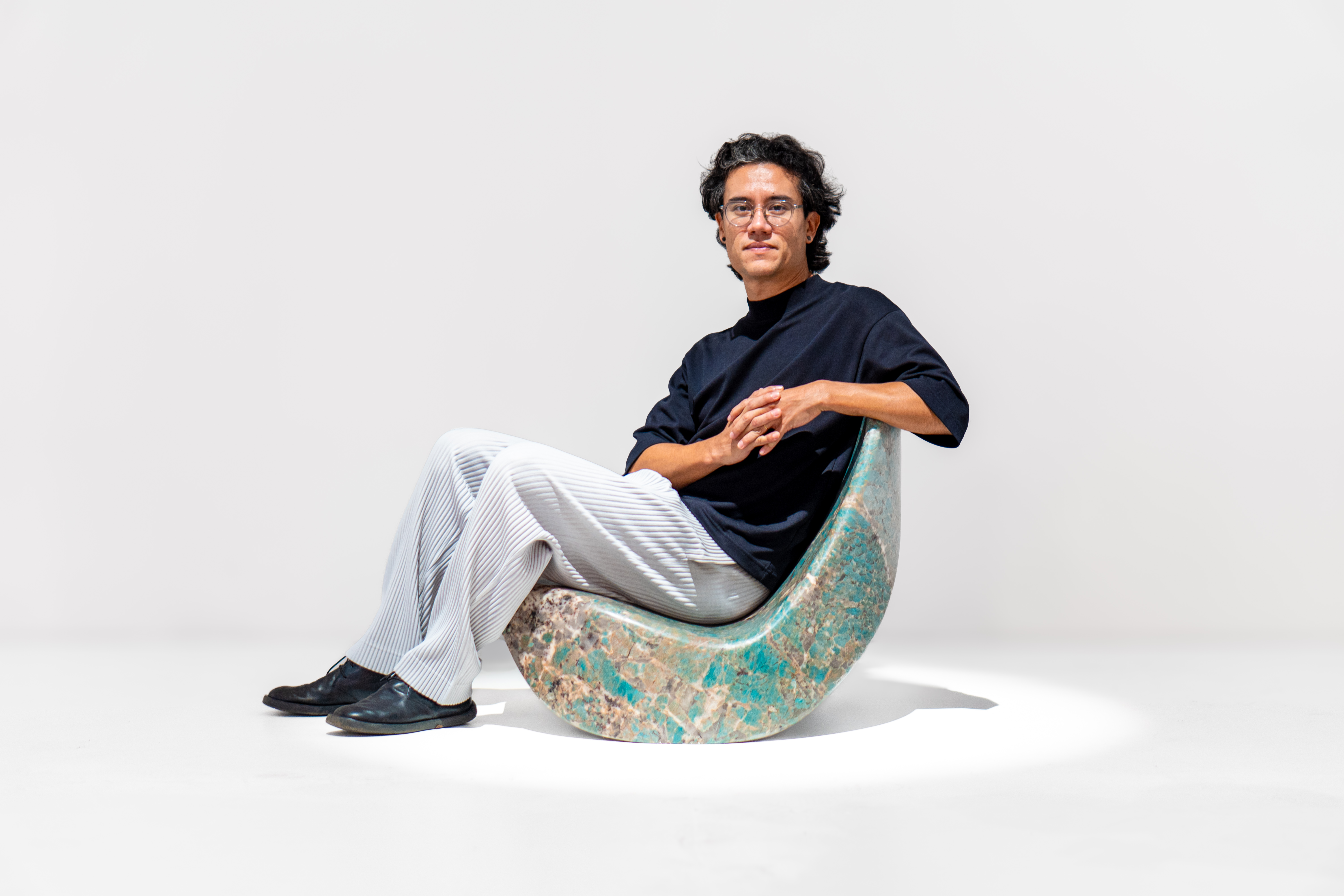
Sculptural piece made of natural stone.

Newsletter

A good read, once a month.

Sign up and stay up-to-date with all the news. You can unsubscribe at any time. Your personal data will be collected and processed in accordance with our privacy policy.

Registration received. Thank you!

Granistone on YouTube

Stones, projects, and stories in motion.

Watch on YouTube ↗

Brazilian Metamorphosis: Granistone's new collection of natural stones.

New Brazilian materials reveal different expressions of natural stone in architecture and design.

October 8, 2026
Text Link

Brazil possesses a mineral wealth that reveals itself in very different ways: color, structure, veins, texture. In each region, nature finds its own ways to create.

It is from this territory that Metamorfose Brasileira, Granistone's new collection for 2026, is born.

The collection features a selection of metamorphic rocks in limited volumes, chosen for their natural characteristics and the strength they acquire when applied to architecture and design.

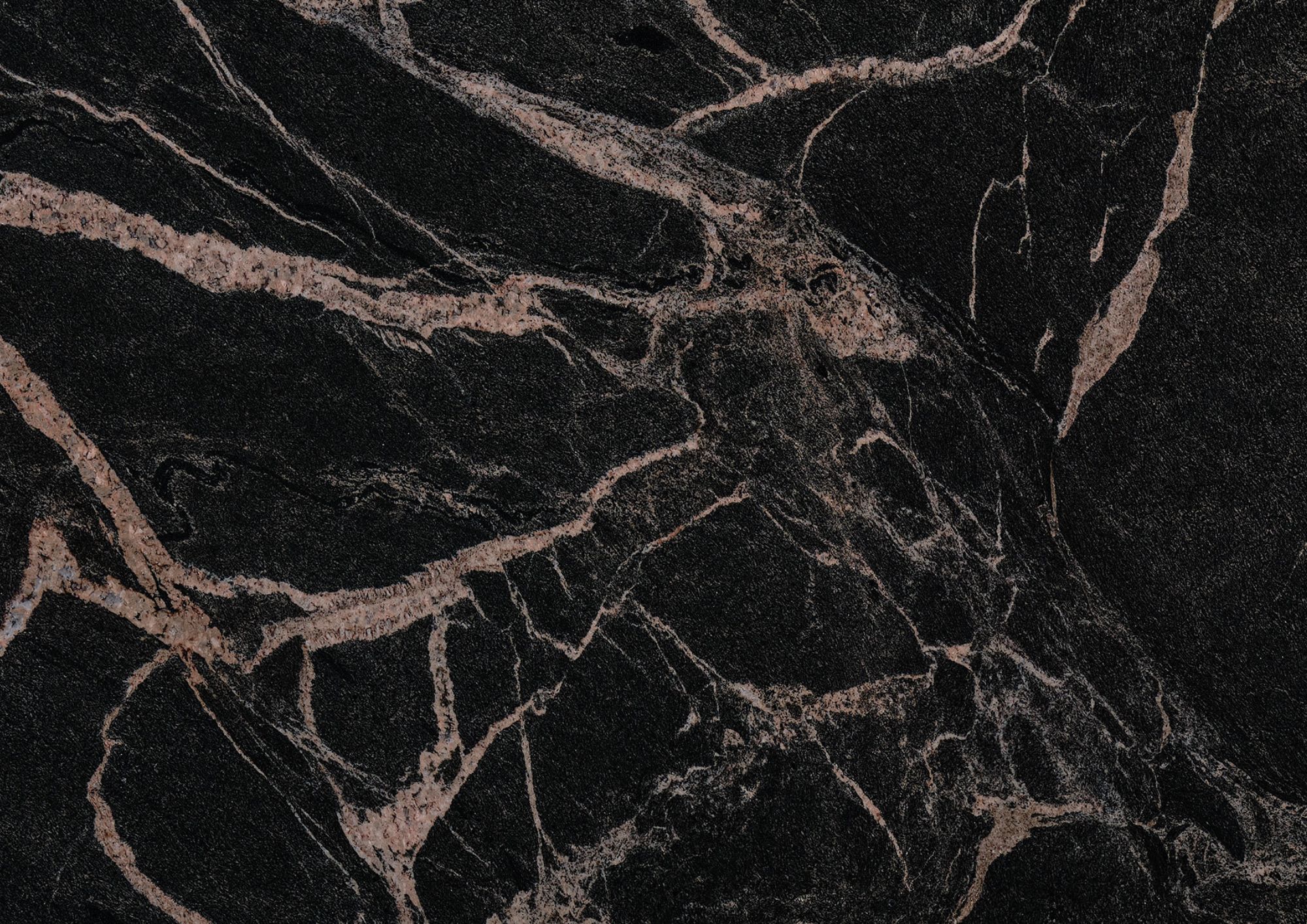
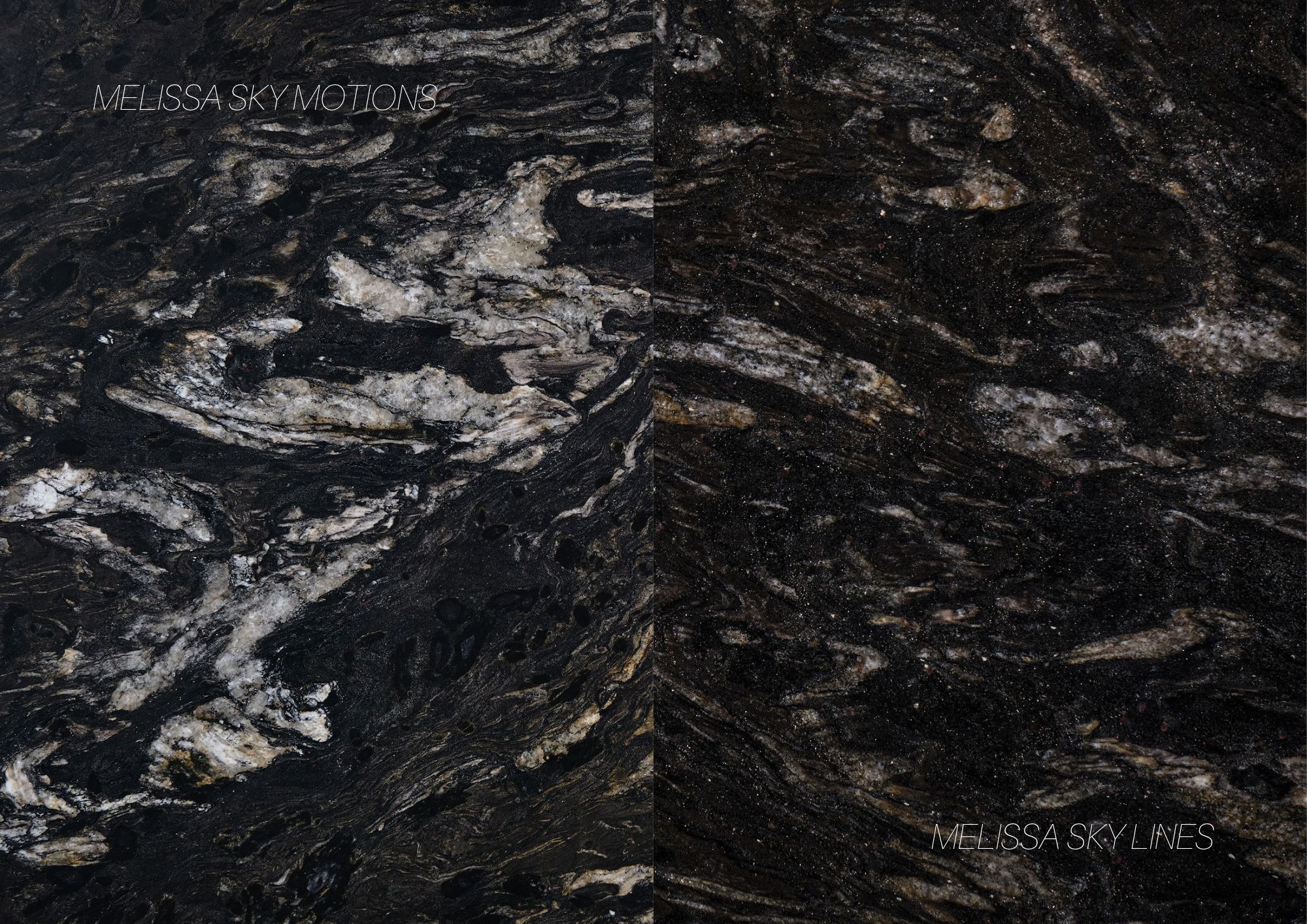
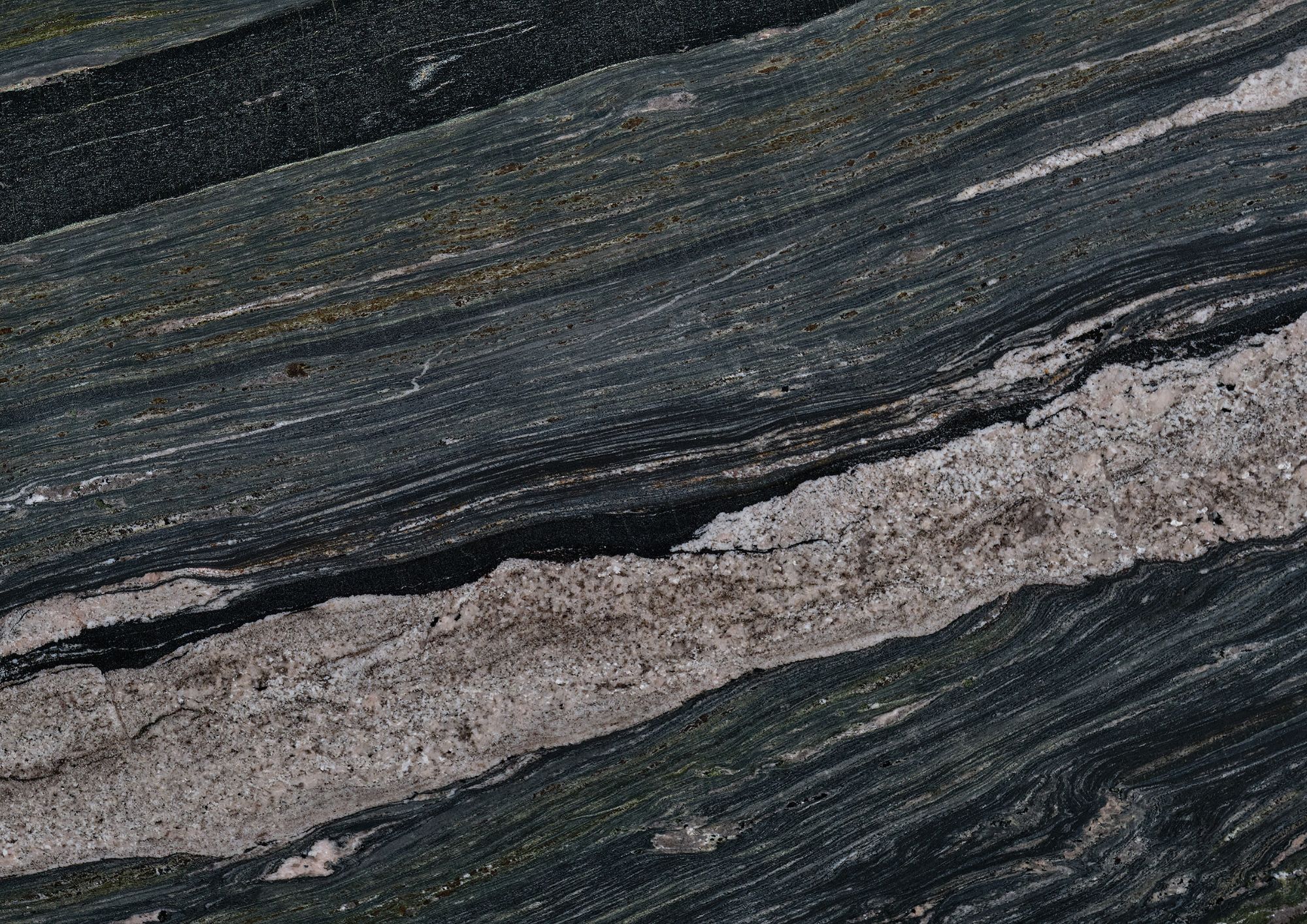
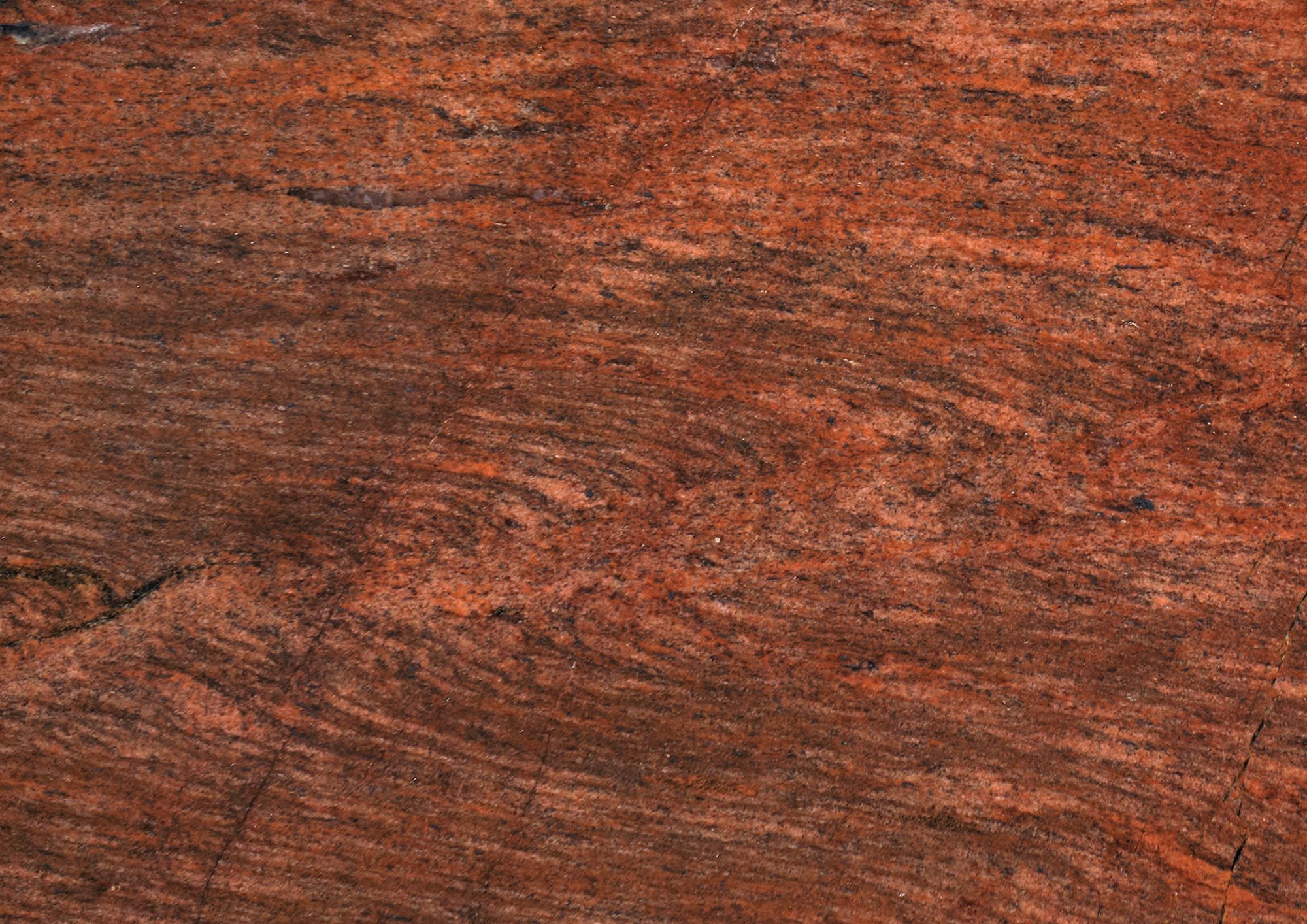
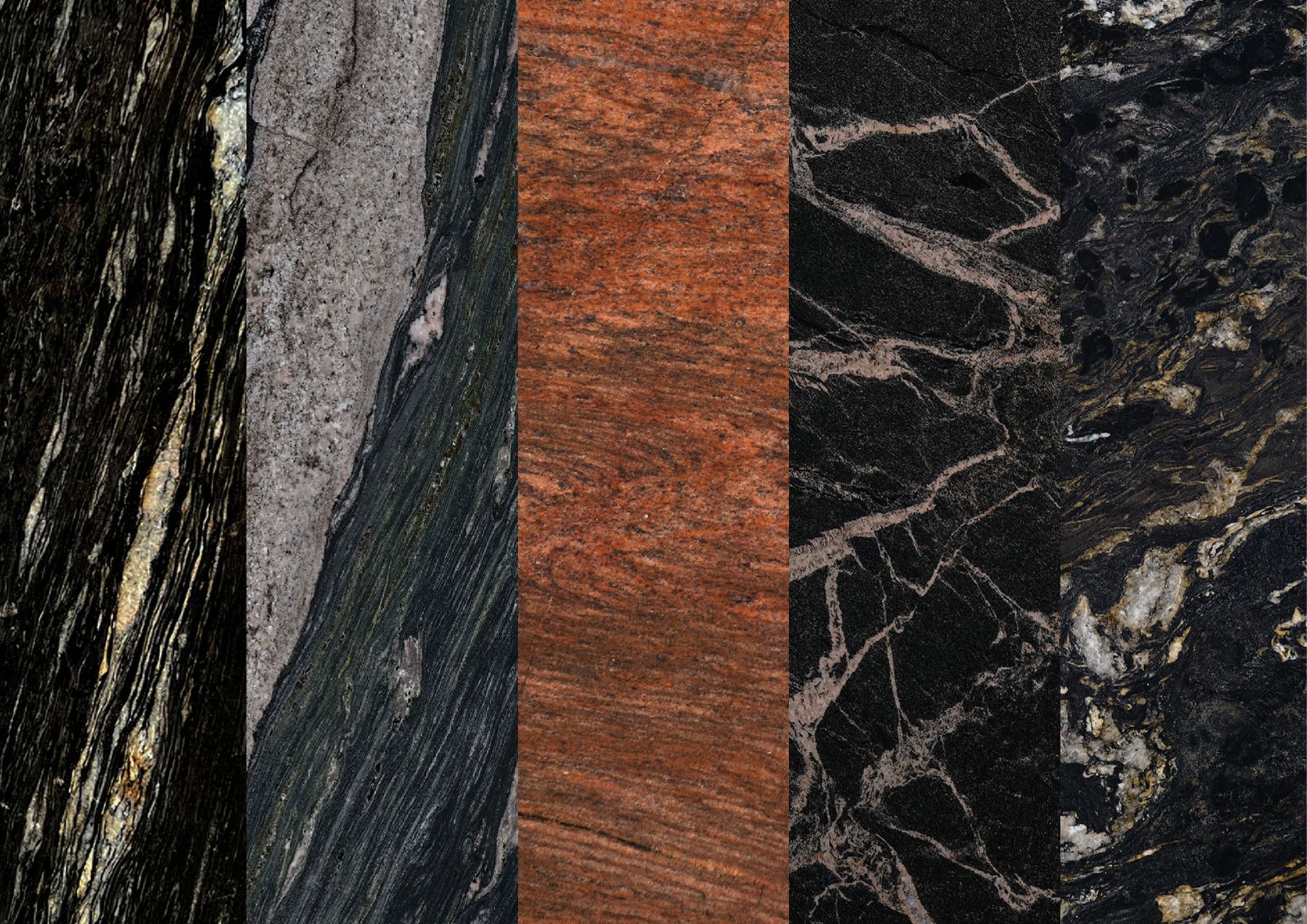
Among them are Melrose, Melissa Sky Motions, Melissa Sky Lines, Presidence, and Red Carpet.

Melrose: unique designs formed by nature

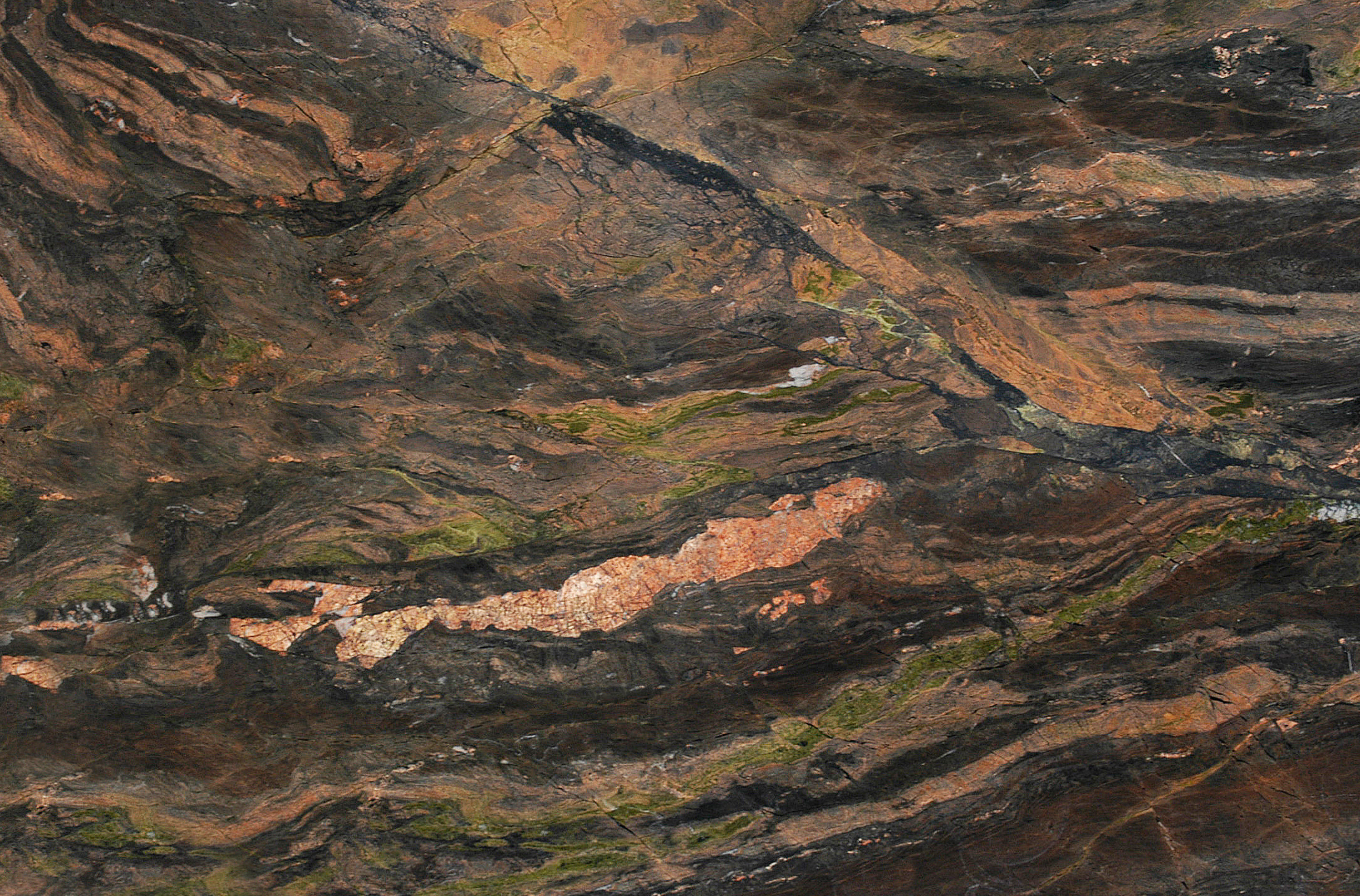
Melrose is notable for the natural fractures that run across its surface and have been filled, throughout its formation, with quartz and pink feldspar.

The result is designs that are part of the stone itself, making each slab unique.

Melissa Sky: different interpretations of the same material

Melissa Sky appears in two interpretations.

In Motions, the light, golden, and dark tones form a more organic composition.

In Lines, the veins take on a different direction, creating a design marked by the contrast between light lines and dark waves.

Presidency: mineral complexity on every surface

Presidence features a grey-green matrix traversed by quartz.

Its formation, marked by high temperatures and extreme pressures, gave rise to a highly complex mineral structure.

Red Carpet: intensity and natural presence

Red Carpet, on the other hand, features an intense reddish-orange hue, with a striking presence due to both the color and the mechanical characteristics of the rock.

They are different materials, but they share something essential: no two surfaces are exactly alike.

For Granistone, showcasing new rocks is also a way to broaden the perspective on the potential of Brazilian materials.

With its own quarries and a portfolio of exclusive natural stones, the company works with materials that find a space to reveal their characteristics in high-end architecture.

Design

Crystalline Ice and the design by Rodrigo Ohtake

Granistone and Rodrigo Ohtake present a furniture collection that explores the presence and possibilities of Crystalline Ice in design.

October 8, 2026
Text Link

Crystalline Ice has always attracted attention for its appearance, depth, and natural characteristics. For Granistone, the collaboration with Rodrigo Ohtake proposes looking at this material from a new perspective: not only as part of architecture, but as a protagonist in furniture design.

The result is a collection of original pieces in which Crystalline Ice appears in different scales, shapes, and compositions, exploring its surface and natural patterns from the perspective of the architect and designer.

The stone as a starting point

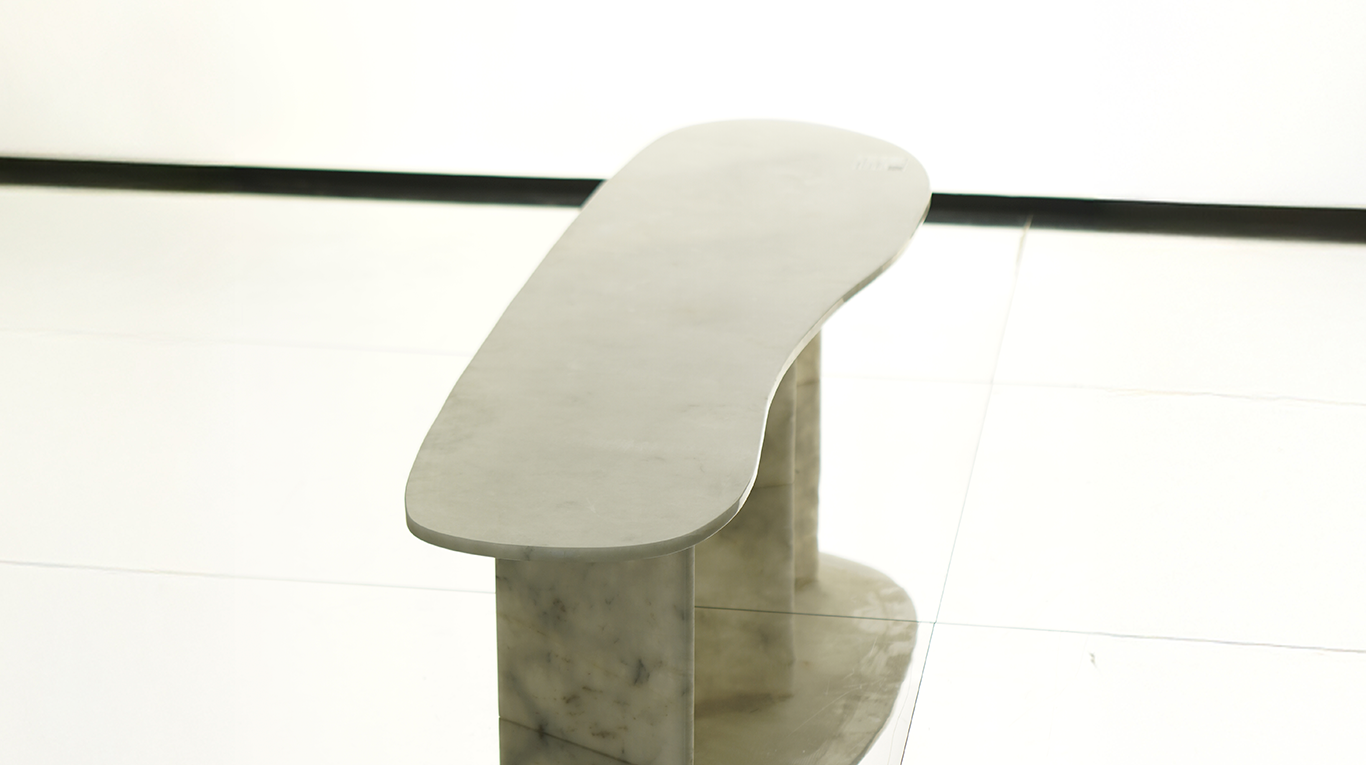
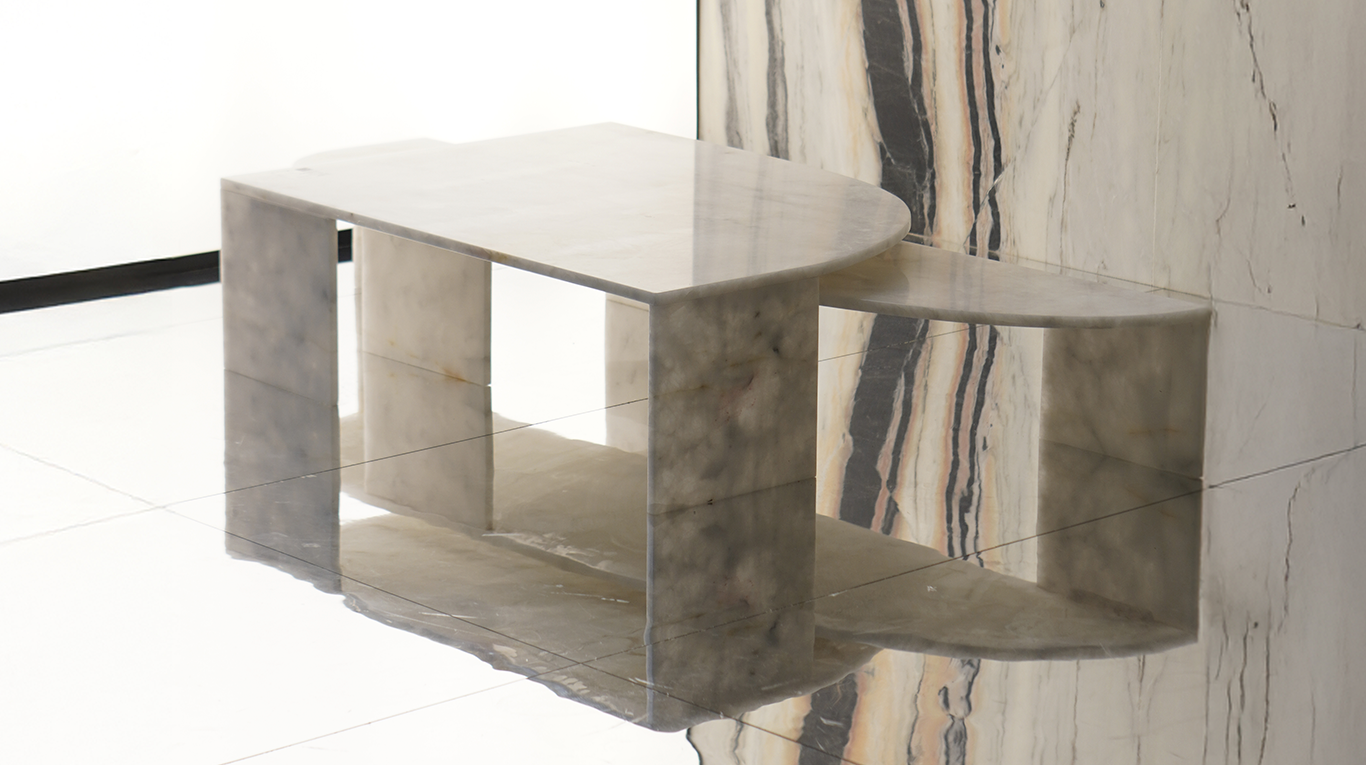
The Síncopa Bench uses the visual power of Crystalline Ice to create a piece with a striking presence. The rock takes on a scale that highlights its characteristics and transforms the bench into a central element of the composition.

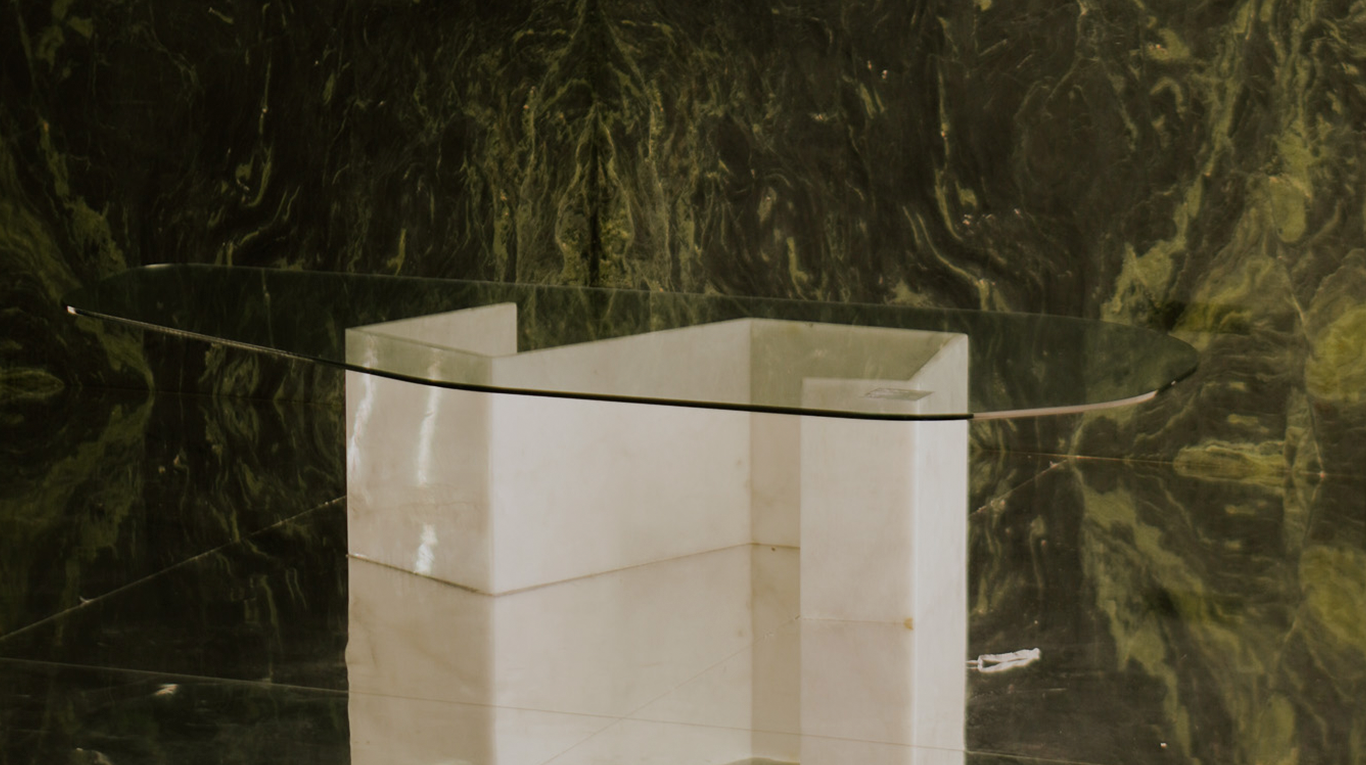
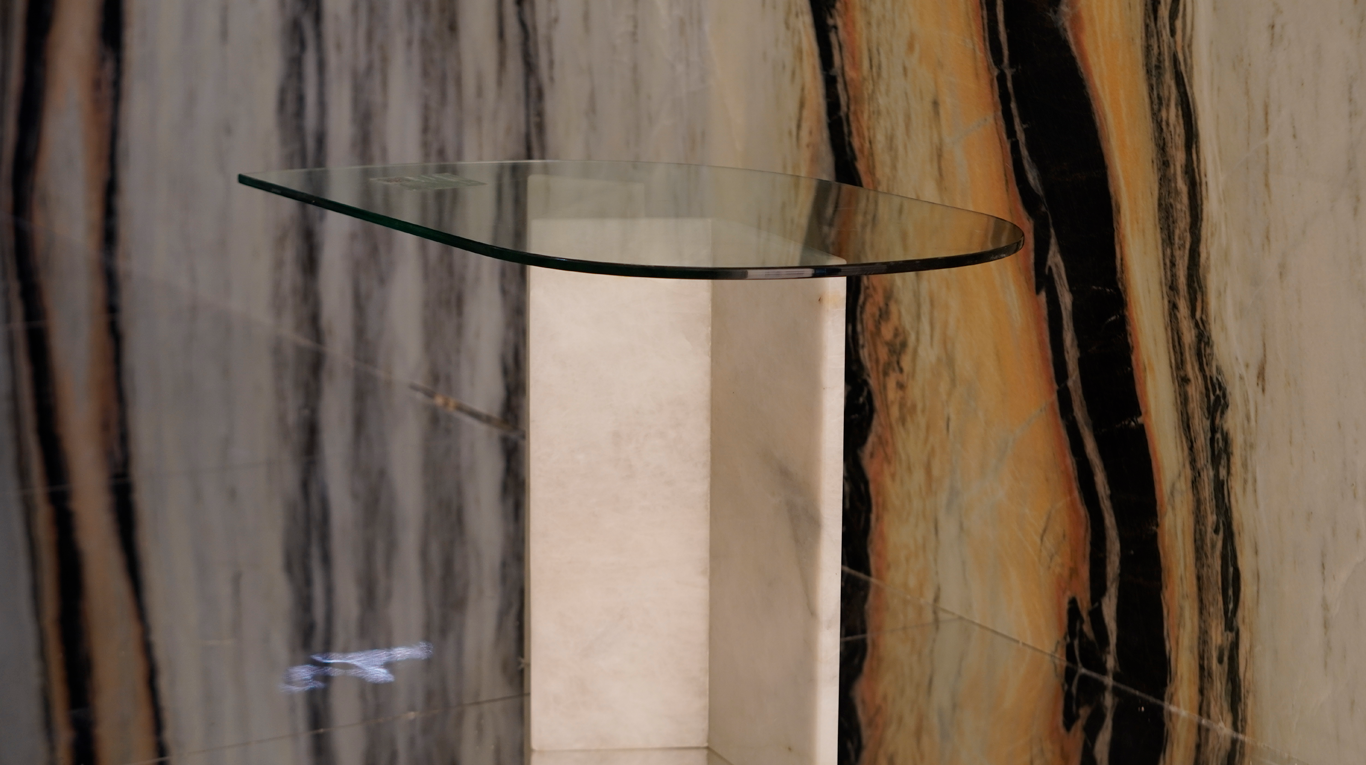
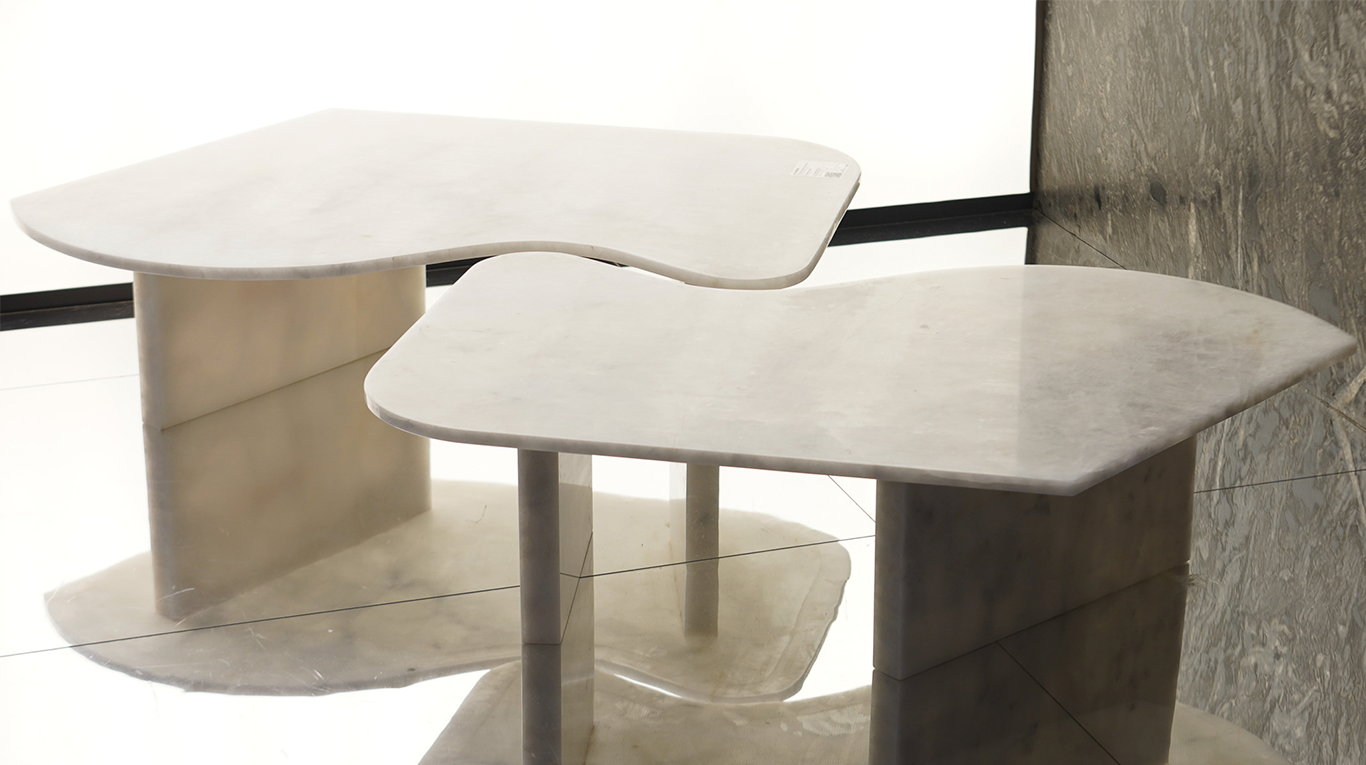
In the Fenda Table and the Ilha Table, stone is combined with glass. The transparency enhances the understanding of the material and allows its surface to remain prominent, creating a relationship between lightness, structure, and matter.

The Mesa Doca explores the composition between different parts and shapes of Crystalline Ice, while the Mesa Pangeia works with the contrast and natural design of the rock in a proposal with greater visual impact.

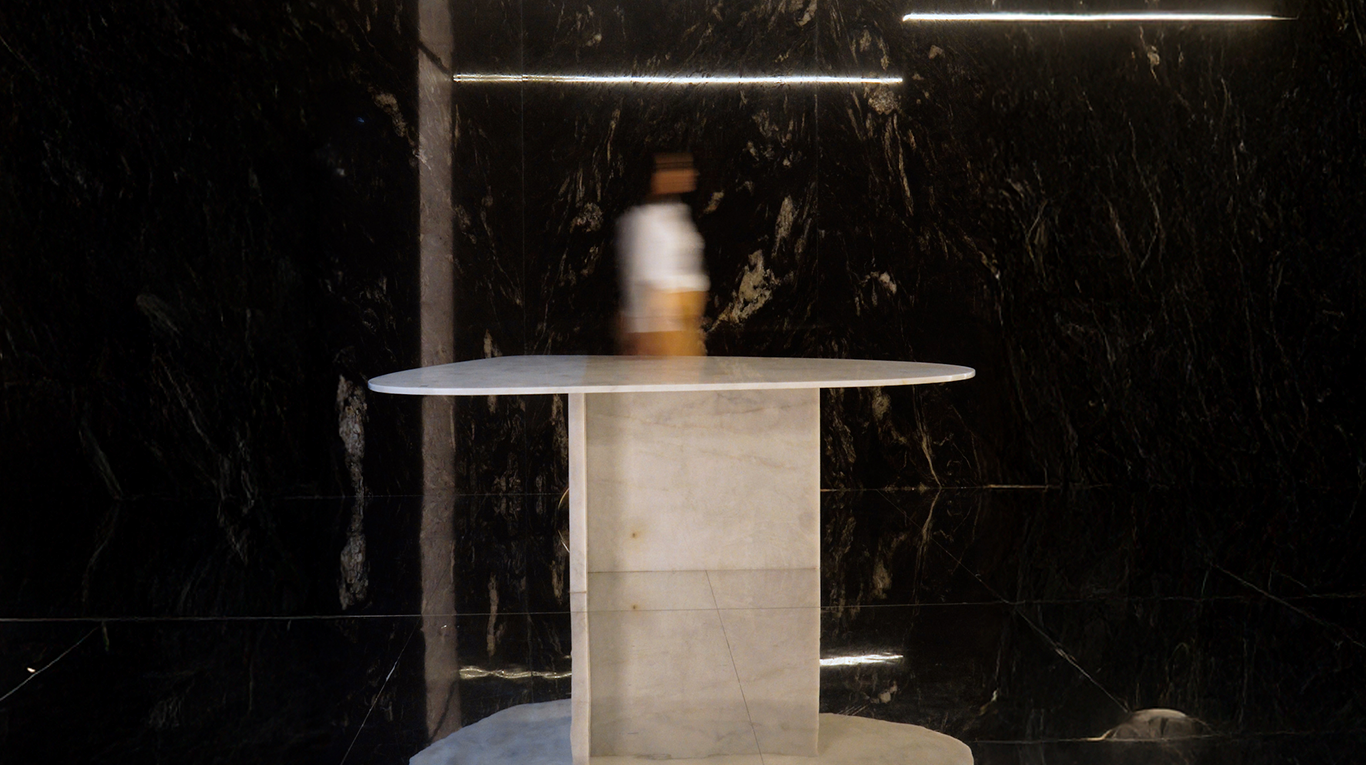
The Dining Table takes Crystalline Ice to an even more expressive scale. With its sculptural design, the piece places the stone at the center of the room, highlighting its depth, veins, and natural characteristics.

From material to piece

More than just transforming a rock into furniture, the collection uses the characteristics of Crystalline Ice itself to explore different possibilities for its use.

Rodrigo Ohtake's design creates new relationships between the stone, the space, and the other elements of each piece. The result is furniture in which the material appears not only as a finish, but also participates in the identity and construction of the object.

For Granistone, this collaboration expands the possibilities of a material that already has its own identity.

Granistone at SP-Arte 2026: where natural stones meet original design.

SP-Arte is one of the main art, architecture, and design events in Latin America. In 2026, Granistone will join this event alongside architect and designer Ana Neute, in a collaboration that transforms natural Brazilian stones into pieces that explore the relationship between matter, form, and permanence. The partnership starts from the uniqueness of each stone to create new possibilities for expression, bringing natural materials closer to the world of design and revealing their potential beyond architecture.

September 15, 2026
Text Link

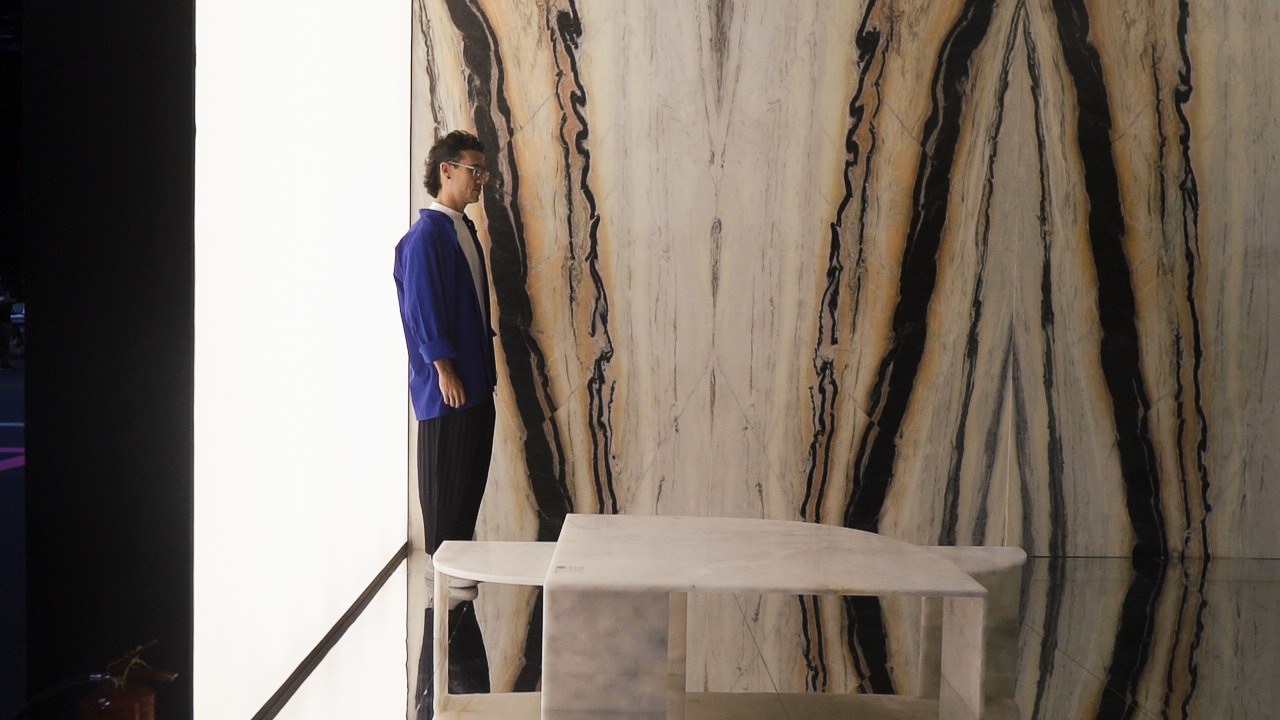
Designed by Ana Neute, the Granistone booth was conceived to reveal what makes each stone unique.

The space invites visitors to discover different textures, colors, and natural movements, highlighting the authenticity of each material. The result is an experience that balances the imposing nature of stone with the delicacy of design, bringing architecture, art, and nature closer together.

The natural rocks chosen for the collection

For the collection presented at SP-Arte 2026, Ana Neute selected four materials from Granistone's portfolio, each with its own unique personality and characteristics.

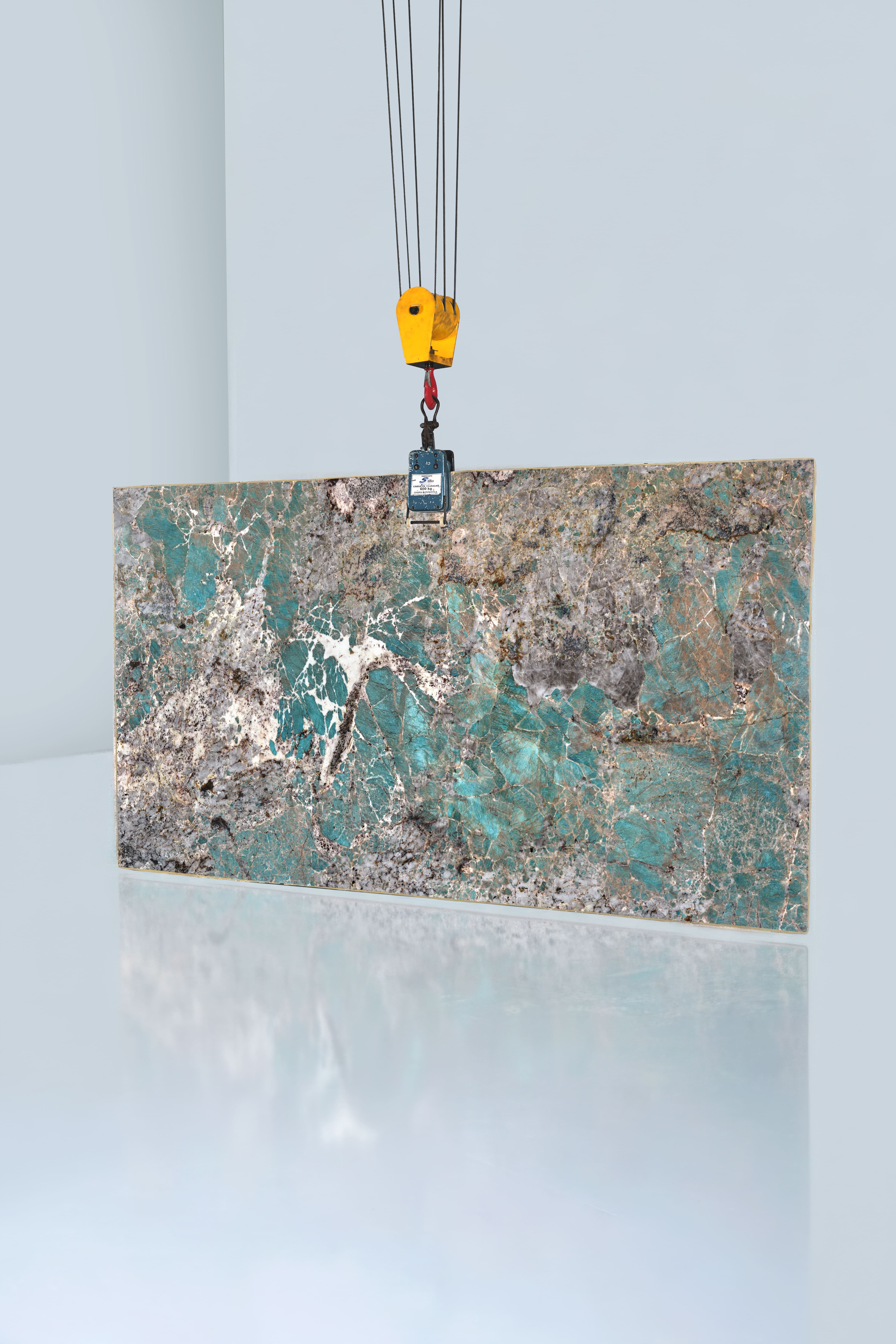
Amazonite, a semi-precious stone whose largest active deposit in the world belongs to Granistone, imbues the pieces with its rare beauty and distinctive identity.

From Piauí, the Speranza and Capolavoro quartzites explore different natural contrasts. While Speranza stands out for its shades of green and organic patterns, Capolavoro draws attention for its dark base traversed by veins in warm tones, forming unique designs.

The selection is completed with Red Carpet granite, recognized for its intense reddish-orange color and its geological formation of approximately 500 million years, which makes each slab a unique piece.

Pulse: the strength of rock transformed into design.

Among the creations presented, the Pulso dining table is the highlight of the collaboration.

With its smooth and continuous forms, the piece highlights the contrast between the strength of natural stone and the lightness of Ana Neute's design, showing how a material formed over millions of years can gain new interpretations in contemporary furniture.

Granistone: bridging natural stone, architecture, and design

More than just participating in SP-Arte, Granistone reinforces its commitment to expanding the possibilities of Brazilian natural stones through design.

Partnerships like this connect mining, architecture, and creativity, revealing new ways to utilize unique materials and bringing Brazil's geological richness to some of the leading spaces dedicated to art, design, and architecture.

Natural rocks, natural stones, Brazilian design, architecture and design, original design, natural stone furniture

‍

Design

The Role of Finishes in Natural Stone

Each natural stone possesses a unique identity, and the finish can reveal different ways of perceiving and valuing it. Between shine, texture, and smoothness, choices such as polished, brushed, and honed transform the surface's relationship with light, touch, and architecture. In this article, you will learn about the characteristics of each finish, understand how they influence the perception of different materials, and discover how this choice can enhance the uniqueness of the stone and the atmosphere of each project.

September 15, 2026
Text Link

At Granistone, we believe that the finish does not alter the essence of a stone. It reveals different ways of perceiving, interpreting, and valuing its uniqueness.

More than just an aesthetic choice, the finish influences how light falls on the surface, how the grain and movement are perceived, and even how the material is experienced in space. Between the shine of polished, the texture of brushed, and the smoothness of honed, each option creates a different interpretation of the same material.

Polished: when light meets depth

The polished finish enhances the natural intensity of the stone. Its reflective surface amplifies the depth of the veins, highlights nuances, and makes different elements of the composition stand out even more.

In striking materials, the result can be almost hypnotic.

In Amazonita Tiffany Blue, for example, the polishing highlights the richness of the quartz crystals and their characteristic translucency, creating a vibrant and sophisticated composition. In Capolavoro Classic, the organic movements in earthy tones gain depth and further reveal the complexity of a composition sculpted by time.

It is a finish that highlights the presence of the stone and makes the interaction with light part of the architectural experience.

Brushed: when texture takes center stage.

While polished finishes amplify light, brushed finishes enhance texture.

This finish preserves the subtle reliefs of the surface, creating a delicate texture that reinforces the naturalness and authenticity of the material. The experience is no longer just visual but also tactile, bringing the project closer to the material itself.

In quartzites like Speranza, characterized by organic veins in shades of green, the brushed finish highlights the naturalness of the composition and reinforces its connection with elements of the Brazilian landscape.

It is a particularly interesting choice for projects that value natural materials, a welcoming atmosphere, and a more understated and sensory sophistication.

Levigado: balance and smoothness

Between the intensity of a polished finish and the texture of a brushed finish, honed steel offers a balanced alternative.

Its smooth, satin-finished surface absorbs light more gently, while the natural movements and characteristics of the rock remain present, but with a more subtle and contemplative interpretation.

Materials like Crystalline Ice, known for its clear surface and the translucency of its crystals, find in honing an elegant way to express their natural delicacy. The same happens with marbles like Palladio and Platinum Nuvolato, whose patterns are revealed in a balanced way, without excess.

The result is a timeless aesthetic, capable of integrating naturally and sophisticatedly into the architecture.

The ending as part of the narrative

Each rock has its own unique identity. Its veins, tones, movements, and natural characteristics are part of a composition that cannot be reproduced.

Some stones require the shine of a polished finish to reveal their depth. Others find a more authentic form of expression in the texture of a brushed finish. Still others stand out for the smoothness and balance provided by honing.

Therefore, the choice between different finishes should not be seen merely as a technical or aesthetic decision. It is also a way of interpreting the material and understanding which finish best enhances its essence and the atmosphere one wishes to create in the project.

Sculpted by time, revealed by the details.

Each material in the Granistone portfolio is selected for its uniqueness, its origin, and its ability to transform spaces through architecture and design.

Over the years, we have seen the same rock take on different interpretations in coverings, countertops, furniture pieces, and creations developed in partnership with architects and designers. In each application, the finish contributes to building a new understanding of the material.

More than just a technical step, it influences how light interacts with the surface, how the veins are perceived, and how the natural beauty of the rock manifests itself in each space.

Because, when it comes to natural stones, it's the details that reveal what makes each material truly unique.

‍

Granistone and Rodrigo Ohtake at SP-Arte 2025: New Limits for Natural Stones

How far can a natural stone go? That was the question that guided the partnership between Granistone and designer Rodrigo Ohtake, presented at SP-Arte 2025. From the encounter between design and raw material, the stone gained new possibilities for expression, transforming into a collection of pieces that challenges traditional perceptions of weight, balance, and resistance. The project reveals that, when explored beyond its conventional uses, natural stone can take on new forms, propose new experiences, and expand its limits within design.

August 13, 2026
Text Link

In developing the collection, Rodrigo Ohtake explored the characteristics that make natural rocks so unique: their resistance, their ability to be sculpted, and the striking presence that each piece carries.

The collection includes a dining table, side table, coffee table, bench, and armchair, created from Amazonite, Speranza, and Capolavoro rocks. More than just furniture, the pieces invite the public to question how they were constructed and to perceive the balance between delicate forms and dense materials.

The challenge of transforming weight into lightness.

Among the highlights of the collection is the Ritmo bench, developed with Amazonite blocks that utilize the rock's own weight as part of the piece's structure. The result is a design made possible only by the material's natural properties.

Another example is the Oblique side table, which creates a sense of defying gravity by combining blocks of different proportions in a composition that surprises with its stability and design.

Natural rocks beyond architecture

The partnership with Rodrigo Ohtake reinforces Granistone's purpose of expanding the application possibilities of Brazilian natural stones.

By bringing mining, design, and art closer together, we show that materials like Amazonita, Speranza, and Capolavoro can go far beyond mere cladding, becoming protagonists in furniture, original works, and projects that value the uniqueness of nature.

Each collaboration strengthens our mission to reveal the potential of Brazilian natural stones and bring their authenticity to new contexts, always preserving the essence that makes each material unique.

Natural rocks, natural stones, Brazilian design, architecture and design, original design, natural stone furniture

‍

Natural rocks

Amazonite in architecture: how to use one of the world's most unique rocks.

For years, Amazonite has gained prominence in iconic projects around the world, becoming a symbol of exclusivity and authenticity. Extracted in Brazil, the rock has become part of high-end hotels, residences, boutiques, and corporate spaces, while its presence in the Brazilian market remained discreet. In this article, you will learn about this trajectory, understand what made Amazonite so internationally desirable, and discover how this scenario is beginning to change in Brazil.

August 13, 2026
Text Link

The growth of high-end architecture in Brazil, coupled with the appreciation for natural materials with known origins and a distinctive identity, has led Amazonite to occupy a new space. More than just a cladding material, it has become an element capable of defining the personality of an environment.

When the rock becomes the starting point of the project.

In contemporary architecture, some materials cease to be merely an aesthetic choice and become the very concept of the project.

With Amazonite, this happens naturally.

Its chromatic composition, formed by shades that range between greens, blues, and translucent nuances, has such a striking presence that it often forms the basis of the entire color palette of the environment. Woods, metals, lighting, fabrics, and furniture begin to interact with the stone, and not the other way around.

Instead of filling a surface, Amazonite organizes the architecture around it.

No two sheets of wood are alike. And that is precisely their greatest quality.

Unlike mass-produced materials, which strive for repetition and uniformity, Amazonite possesses a characteristic that is increasingly valued by architecture professionals: uniqueness.

Each slab has its own unique composition of minerals, transparencies, veins, and natural movements that are never repeated exactly in the same way.

This exclusivity transforms each project into a unique composition. There is no "standard Amazonite." There is the slab chosen for that space, with characteristics that belong exclusively to that project.

Therefore, material selection is as important a step as the development of the architectural concept itself.

Lighting is also part of the specification.

Few materials respond to light as intensely as amazonite.

Throughout the day, the incidence of natural light alters the perception of its colors and highlights different depths of the surface. In indoor environments, indirect lighting enhances the crystals and creates new layers of interpretation of the stone.

In specific applications, backlighting further enhances this effect, highlighting naturally translucent areas and transforming panels into true scenic elements.

More than just illuminating the stone, light becomes part of its language.

Where Amazonite takes center stage.

Although it is an extremely versatile rock, there are applications where its expressiveness stands out even more.

Large internal panels allow one to appreciate the continuity of the sheet metal's natural patterns, creating surfaces with a strong visual impact.

In countertops, islands, and washbasins, stone transforms functional elements into statement pieces.

In terms of furniture, tables, sideboards, and special objects bring architecture, art, and design closer together, exploring raw materials in a sculptural way.

Regardless of the application, the recommendation is usually the same: allow the stone to be the star.

The fewer elements that visually compete with it, the greater its ability to transform the environment.

The new architecture values materials of origin.

For a long time, the choice of a natural rock was guided primarily by its appearance.

Today, architects and specifiers also consider its origin, availability, continuity of supply, and responsibility in extraction.

This change reflects a broader transformation in contemporary architecture, which has come to value materials capable of telling stories and establishing connections with their origin.

Knowing where a rock was extracted, how it was processed, and who guarantees its continued use is no longer just technical information. It has become part of the project's own value.

Amazonite: a Brazilian treasure that remains in Brazil.

Internationally recognized, Brazilian Amazonite has gained prominence in some of the world's most sophisticated projects even before becoming a constant presence in national architecture.

Today, this trend is beginning to reverse.

With the maturing of the high-end Brazilian market and a growing demand for exclusive natural materials, Amazonite is becoming increasingly integrated into residences, developments, and projects designed by Brazilian architects.

It is a movement that brings national architecture closer to one of the country's greatest geological treasures.

Amazonite in Granistone

At Granistone, Amazonite is part of a story built from the very beginning.

The company is the only one in the world capable of guaranteeing a continuous supply of rock on an industrial scale, thanks to its own quarries and control over the entire production chain. This control allows it to monitor each stage of the process, from extraction to processing, offering predictability, traceability, and consistency for projects of different sizes. Furthermore, investments in new exploration areas and technology are continuously expanding the possibilities for stone patterns and applications.

More than just supplying a natural stone, Granistone connects architects, designers, and specifiers to a material that represents the meeting point between exclusivity, nature, and Brazilian architecture.

Designing with Amazonite means understanding that some choices go beyond simply covering a surface.

Each slab carries millions of years of geological formation, unique patterns, and an identity that no industrial process can reproduce.

‍